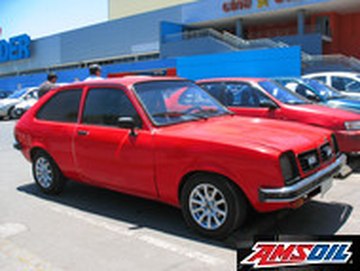
Maintenance and Lubrication for the 1982 Chevrolet CHEVETTE 1.8L Diesel
Owning a diesel-powered vehicle from the early 1980s requires a specific approach to routine service and component monitoring. The 1.8L diesel engine in this Chevrolet Chevette relies on consistent lubrication and careful inspection of various systems to maintain operational integrity. Because diesel engines operate under different mechanical stresses than gasoline counterparts, staying attentive to fluid conditions and physical wear is essential for long-term ownership.
Monitoring Fluid Integrity and Potential Leaks
One of the most effective ways to monitor the health of a 1982 Chevrolet Chevette 1.8L diesel engine is through regular visual inspections of the engine bay and undercarriage. Over time, various seals and gaskets may experience changes in their ability to contain fluids. It is useful to look for signs of seepage or active leaks around sealing surfaces.
When performing a routine inspection, consider the following:
- Surface Seepage: Look for oily residue on the exterior of engine components, which may indicate that a gasket or seal is beginning to weep.
- Puddle Identification: Check the ground beneath the vehicle after it has been parked for an extended period to identify any fluid loss.
- Fluid Appearance: If you are checking levels, observe the color and texture of the lubricant. Significant changes in appearance can sometimes be associated with contamination or thermal breakdown.
If you notice unexpected fluid loss or a change in how the engine behaves, these symptoms warrant further investigation. It is important to remember that many different factors can cause a leak or a change in fluid behavior, so a single observation should be treated as a prompt for a more thorough diagnostic check rather than a definitive conclusion.
Managing Engine Lubrication Requirements
The lubrication system is vital for reducing friction and managing the heat generated during the combustion process. For a diesel engine, the quality and consistency of the oil are paramount. Maintaining the correct lubricant helps ensure that internal components remain protected under various operating loads.
While some owners may consider different types of lubricants, such as synthetic or conventional oils, the most important factor is adhering to the specific requirements for this 1.8L diesel application. Some high-mileage oil formulations contain additives intended for use in aging engines, including seal-conditioning additives that may assist in maintaining the integrity of older components. However, any choice made should be guided by the technical data provided for your specific vehicle.
Regularly checking the lubricant level is a fundamental part of engine care. A low lubricant level can lead to increased friction and heat, which can impact the longevity of the engine. Always ensure that you are using the application-specific oil viscosity information shown on this page when performing any service.
Observing Operational Warning Signs
Drivers should remain observant of how the vehicle behaves during normal operation. Changes in the way an engine sounds or smells can be early indicators that something requires attention. For example, a change in exhaust characteristics or an unusual odor may indicate that fluids are contacting hot surfaces or that combustion processes are not occurring as they should.
If you encounter any of the following, it is advisable to schedule a professional inspection:
- Unusual Noises: Any new mechanical sounds, such as knocking or tapping, should be investigated promptly.
- Warning Indicators: If any dashboard indicators related to engine operation illuminate, do not ignore them.
- Changes in Consumption: If you find yourself needing to add lubricant more frequently than usual, this warrants an investigation into potential leaks or internal consumption.
Because symptoms can have multiple underlying causes, it is best to approach these signs as indicators for further diagnostic work rather than attempting to pinpoint a specific failed component without professional tools and expertise.
Prioritizing Long-Term Maintenance Tasks
As a vehicle ages, the strategy for maintenance often shifts from purely preventive measures to condition-based monitoring. For a 1982 Chevrolet Chevette, this means using the current physical state of the vehicle to decide where to focus your efforts.
If you do not have a complete service history for the vehicle, establishing a maintenance baseline is a practical first step. This involves documenting the current condition of all fluids, inspecting the state of accessible belts (if equipped), and checking the condition of hoses and electrical connections. Once you have established this baseline, you can more easily identify when a component has changed or when a service is actually necessary.
Rather than replacing parts based solely on the age of the vehicle, focus on addressing active signs of wear or overdue maintenance tasks first. This approach allows for more efficient ownership by distinguishing between components that are still performing well and those that are showing actual signs of deterioration.
System Inspections and Component Care
Beyond the engine oil, several other areas should be part of a routine service routine to ensure the vehicle remains reliable. For instance, if equipped, inspecting accessible drive belts for signs of cracking, glazing, or fraying can prevent unexpected failures. Similarly, checking the condition of hoses and ensuring that electrical connectors are secure and free from corrosion is beneficial.
Maintaining a clean engine bay can also assist in inspections. When components are covered in heavy grime or debris, it becomes much more difficult to spot small leaks or cracks in belts and hoses. A clean environment allows for a much more accurate visual assessment of the vehicle's mechanical condition during every service interval.
Practical Advice for BUYING ENGINE OIL for your 1982 Chevrolet CHEVETTE 1.8L Diesel
When it is time to replenish or change the lubricant in your 1982 Chevrolet Chevette 1.8L diesel, accuracy in selection is your highest priority. To ensure the engine receives the correct protection, match the engine oil to the application-specific viscosity information shown above on this page.
Before making a purchase, always check the product labeling to confirm it meets the necessary standards for your specific engine type. While you may encounter various options such as conventional, synthetic blends, or full synthetics, your primary guide should be the technical specifications listed in the application information provided here. Avoid making assumptions based on the age of the vehicle or general automotive trends; instead, rely strictly on the viscosity and application data designated for this 1.8L diesel engine to ensure proper lubrication and engine protection.